Countertop Care in Tulsa: Daily Habits That Make Tops Last
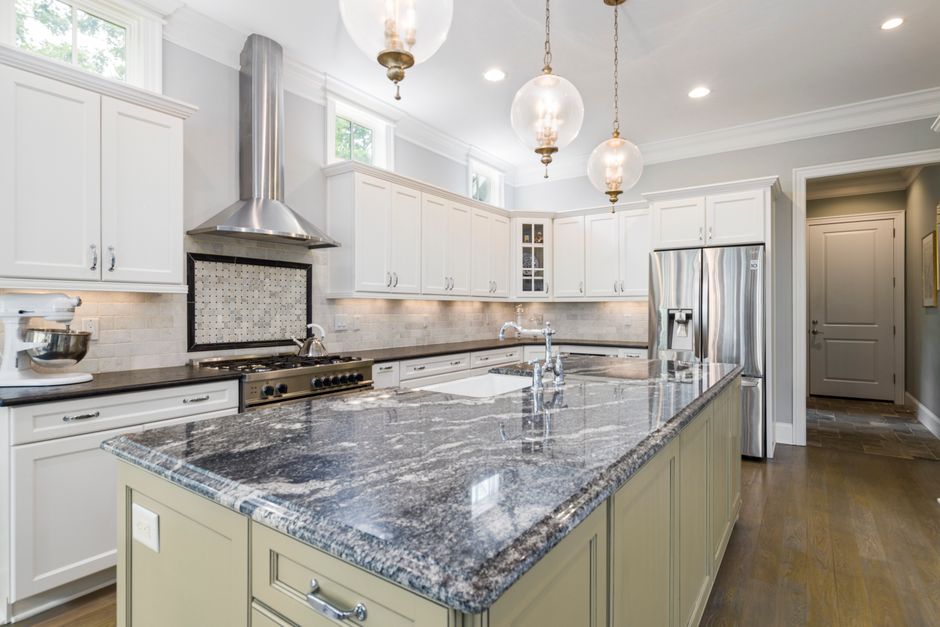
Warm water, a few drops of mild dish soap, a soft cloth and a dry towel are the daily habit that keeps nearly every countertop material in good shape. The rest of the routine depends on what your top is made of, because granite, marble, quartz, solid surface, laminate, butcher block and tile each fail in different ways.
Start by Confirming Your Material
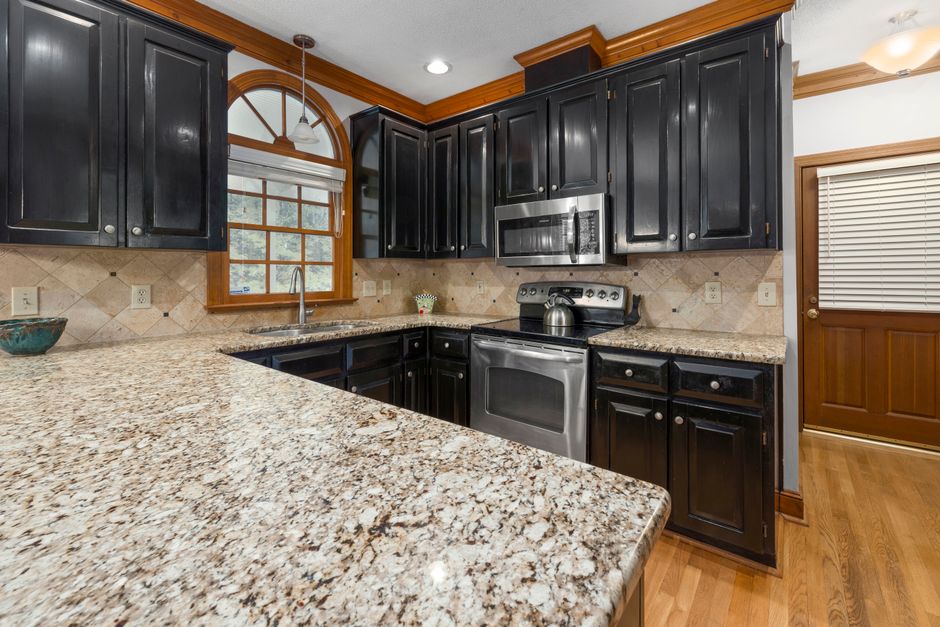
A cleaner that is fine on one surface can ruin another. If you are not sure what you have, check the paperwork from the installation or ask the fabricator who built the top. Many Tulsa homes mix eras: original laminate or tile in older ranch houses, granite from a 2000s remodel, and engineered stone in newer kitchens. Knowing which one you own decides everything below.
The Baseline Routine for Every Surface
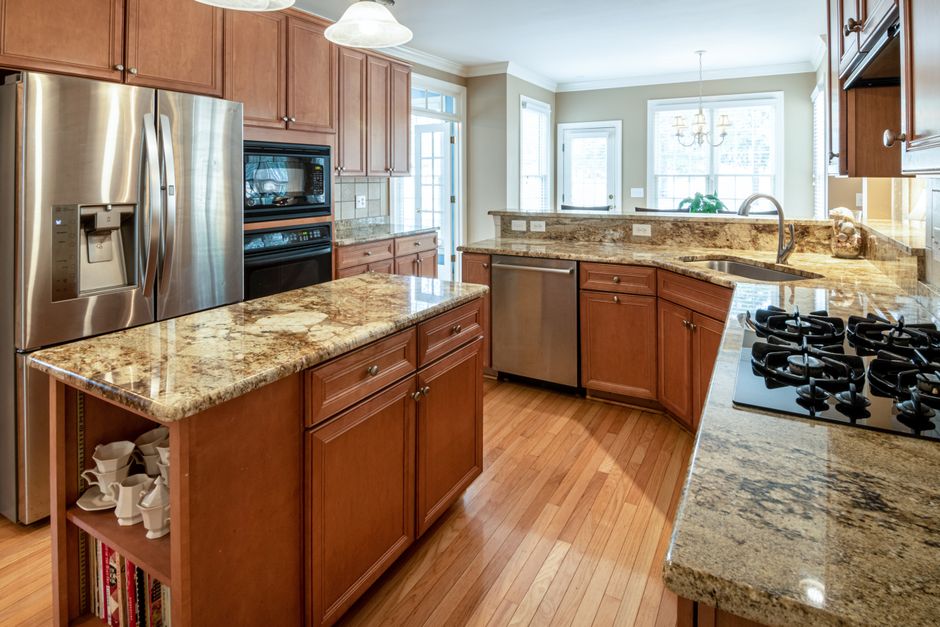
Wipe with warm water and a few drops of mild dish soap on a soft cloth or microfiber. Then dry the surface. Drying matters more than it seems: it prevents mineral spots and keeps water from sitting at seams and sink edges, where most countertop damage starts.
For stone, skip bleach, ammonia, abrasive powders and harsh degreasers as routine cleaners. Repeated use can break down sealer and dull the polish. Plain soap and water, or a cleaner labeled safe for stone, does the job.
Spill Response: Blot First
Blot a spill right away instead of wiping it. Wiping spreads the liquid across more surface, while blotting lifts it. Then clean with soap and water.
Put these first in line: oil, red wine, coffee, tea, turmeric, beet juice and colored drinks. They are the usual culprits on light stone, marble, concrete and grout.
If oil has already darkened natural stone, scrubbing usually makes things worse by dulling the polish around the spot. A poultice, which is an absorbent paste left on the stain for a day or two, draws the oil out more gently.
Habits by Material
Granite and Other Natural Stone
Run a water drop test a couple of times a year. Leave a small puddle on the stone for several minutes. If the stone darkens beneath it, it is absorbing water and is due for resealing. If it stays the same, leave the sealer alone. Many dense granites rarely need sealing, while lighter or more porous stones need it more often, so the test tells you which kind you have rather than a fixed calendar.
Granite is tough, but it is not immune to thermal shock. A sudden hot spot on a cold slab, especially near a seam, a sink cutout or a thin section by the cooktop, concentrates stress. Trivets protect granite too.
Marble, Limestone, Travertine and Onyx
These stones are calcium based, so acids attack them. Vinegar, lemon juice, tomato sauce, wine, soda and many bathroom cleaners leave dull spots called etch marks. An etch is surface damage, not a stain, and sealing does not prevent it. Sealer slows stains, not acid. The daily habit here is simple: keep acids off the surface, wipe splashes quickly, and use a coaster under every glass.
Vinegar and lemon are popular "natural" cleaners, but they are not safe for all countertops, and marble is the clearest example.
Quartz and Other Engineered Stone
Engineered stone such as Cambria does not need sealing, but its resin binder is the weak point. A hot pan set straight down can scorch, yellow or crack it. Quartz is not heatproof, stainproof or indestructible, so use a trivet every time, including for a pan that is "only warm."
Solid Surface (Corian, Avonite and Similar)
Solid surface scratches more easily than stone, but the color runs all the way through, so light scratches and minor burns can usually be sanded out. Use only the cleaners and scrub pads the manufacturer approves for your finish. A glossy finish shows scuffs that a matte finish hides.
Laminate
Laminate has two enemies: heat and standing water. Never set hot cookware on it. Heat can blister the surface or loosen the glue holding it to the particleboard core, and laminate cannot be refinished, so a burn is permanent.
Wipe up water at seams, around the sink rim and along the backsplash. Once water reaches the particleboard, it swells, and swollen seams cannot be flattened again. This matters in the many older Tulsa ranch homes that still have original laminate with aging seams.
If laminate sits over a dishwasher, do not open the door and let steam roll straight up against the underside of the counter edge. Repeated steam can swell the substrate along the front.
Butcher Block
Oil butcher block when it starts to look pale or dry, using food safe mineral oil or a board cream. Olive and vegetable oil can turn rancid, so skip them. Tulsa's humid summers followed by dry, furnace heated winters make wood swell and shrink, so check more often in winter for dryness and fine cracks.
Never leave a wet sponge, a dish rack or pooled water on the wood, especially near the sink. Constant moisture causes dark staining, softened wood and open joints.
Tile
Tile wears out at the grout first. Clean grout with a soft brush and a neutral cleaner, and seal it when water darkens it. Heat can crack individual tiles, so trivets apply here as well.
Heat Protection Beyond the Hot Pan
Trivets handle the obvious cases. The sneakier problem is the appliance that sits and runs for hours: slow cookers, electric griddles, air fryers, roasters and toaster ovens. Steady heat can discolor resin based surfaces and stress any stone. Set a trivet or heat resistant board under them, particularly during holiday cooking or canning season when the counter is crowded and appliances run all day.
Cutting Habits
Use a cutting board every time. Knives scratch laminate, solid surface and wood, and they can mark some stones. On granite and quartz the counter usually wins and the knife edge loses, so cutting directly on the surface dulls your knives quickly. Cutting directly on granite or quartz is not harmless to either the blade or the top.
Preventing Chips and Cracks
Chips happen in predictable places: sink edges, around the dishwasher, and on sharp square edges and corners. Set heavy cast iron, stockpots and stand mixers down gently, and avoid knocking pots against the edge while washing up.
Do not sit, stand or kneel on a counter, especially on a kitchen island or peninsula overhang. Unsupported overhangs and seams can crack under concentrated body weight. Keep a step stool handy for reaching high kitchen cabinets.
Lift appliances instead of dragging them, and put felt pads under the ones that stay put. Rough unglazed mug bottoms, ceramic canisters and grit under a sliding appliance can scratch polished stone and leave dull tracks on solid surface. A kitchen appliance lift is not needed for this; a habit of lifting is enough.
A Yearly Inspection
Once a year, look at the silicone line around an undermount sink and along the backsplash. A cracked, peeling or black stained bead lets water reach the cabinet below and the edge of the counter. Replace the caulk if it has failed.
Check the seams at the same time. A seam that has opened, lifted or lost its filler should be repaired by a fabricator before water and crumbs work into it. Do not try to grind or level a stone seam yourself.
Leave Cutting and Drilling to a Fabricator
Cutting, drilling or grinding stone at home without wet methods and respiratory protection is a health risk. Dry cutting releases fine dust from silicon dioxide (silica), which can cause silicosis, and engineered stone is especially high in silica. Small DIY cuts or faucet holes in engineered stone are not safe without dust control. Hire a fabricator for cutouts, new faucet holes and edge repairs.
Outdoor Kitchens in Oklahoma
Intense Oklahoma summer sun can fade or discolor resin based engineered stone. Before installing any material outside, confirm it is rated for outdoor use.
A Simple Weekly Rhythm
- Every day: wipe with soap and water, dry, blot spills at once, use a cutting board and trivets.
- Twice a year: run the water drop test on natural stone, and check butcher block for dryness, more often in winter.
- Once a year: inspect the caulk and the seams, and check tile grout.
Small habits like these cost almost nothing, and they prevent the burns, swollen seams, etched polish and chips that usually send Tulsa homeowners shopping for a replacement top years early.